

As more homeowners plan to stay in their homes long-term, remodeling for aging in place has become increasingly important. Rather than waiting for mobility or health challenges to force a move, many families are choosing proactive upgrades that allow them to remain comfortable, safe, and independent for years to come.
Aging-in-place remodeling isn’t about making your home feel clinical or institutional. With thoughtful design and professional planning, your home can remain beautiful while becoming more functional. The team at Lloyd’s Remodeling specializes in smart renovations that help homeowners prepare for the future without sacrificing style.
What is Aging in Place?
Aging in place simply means designing or modifying your home so you can live there safely and independently as you grow older. Instead of relocating to assisted living or downsizing prematurely, remodeling allows your current home to evolve with your needs.
These upgrades often focus on safety, accessibility, and ease of movement. Even small changes can significantly reduce fall risks and improve day-to-day comfort. Planning early gives you more options and ensures your home continues to support your lifestyle.
Bathroom Remodeling for Safety and Accessibility
The bathroom is one of the most important spaces to address when remodeling for older age. Slippery surfaces and tight layouts can create hazards, but smart upgrades can dramatically improve safety.
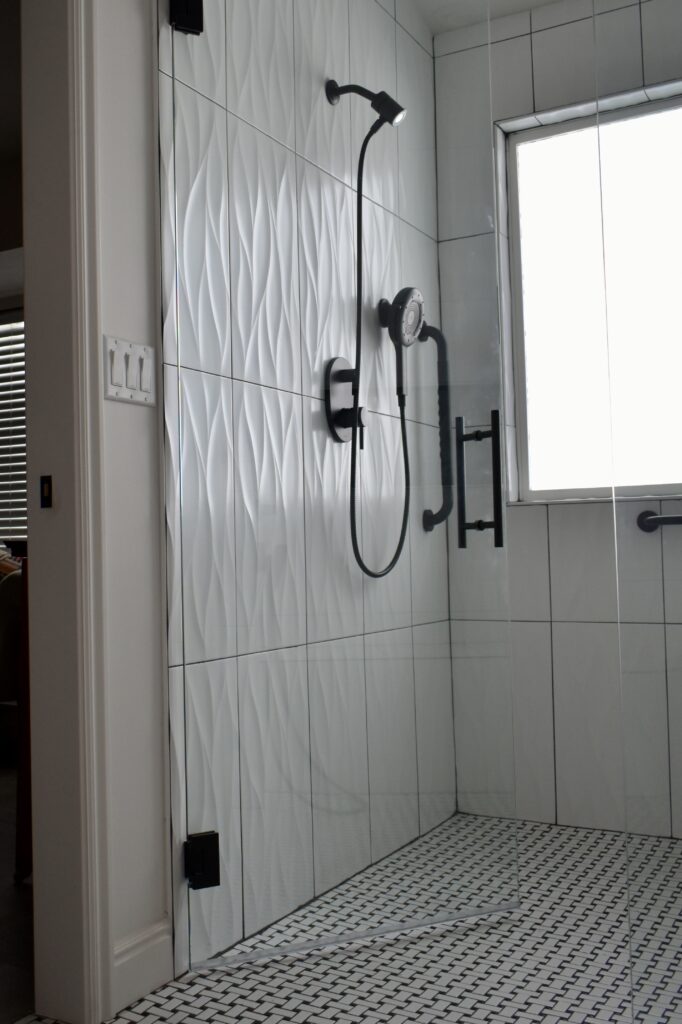
Walk-in or curbless showers eliminate the need to step over a high tub wall. Adding built-in benches and handheld showerheads makes bathing more comfortable and secure. Strategically installed grab bars near toilets and showers provide stability without compromising aesthetics.
Comfort-height toilets reduce strain on knees and hips, while slip-resistant flooring minimizes fall risks. A professionally designed bathroom renovation from Lloyd’s Remodeling ensures every detail is tailored to your mobility needs and personal style.
Kitchen Modifications for Everyday Convenience
The kitchen is another space where accessibility matters. As mobility changes, bending, reaching, and lifting can become more challenging. Remodeling your kitchen with aging in mind makes daily tasks easier and safer.
Pull-out shelves and drawers provide easy access to cookware and pantry items without deep bending. Lowered or varied countertop heights can accommodate seated use if needed. Lever-style or touchless faucets simplify operation for those with limited hand strength or arthritis. Upgrading lighting under cabinets and over workspaces also improves visibility and reduces the risk of accidents.
Safer Entryways and Doorways
Your home’s entrances should be welcoming and safe. Steps at the front door or into the garage can become obstacles over time. No-step entries or gently sloped walkways create smooth access for walkers or wheelchairs while eliminating tripping hazards.
Widening doorways allows easier maneuverability throughout the home. Even small adjustments can make a significant difference if mobility aids are needed later.
Adding motion-sensor lighting at entryways can also improve visibility at night and enhance overall security. These practical upgrades protect both you and your guests.
Flooring Upgrades to Reduce Fall Risks
Flooring plays a critical role in aging-in-place remodeling. Thick carpeting, uneven thresholds, and slick tile can all pose hazards. Replacing these materials with slip-resistant flooring provides stability and peace of mind.
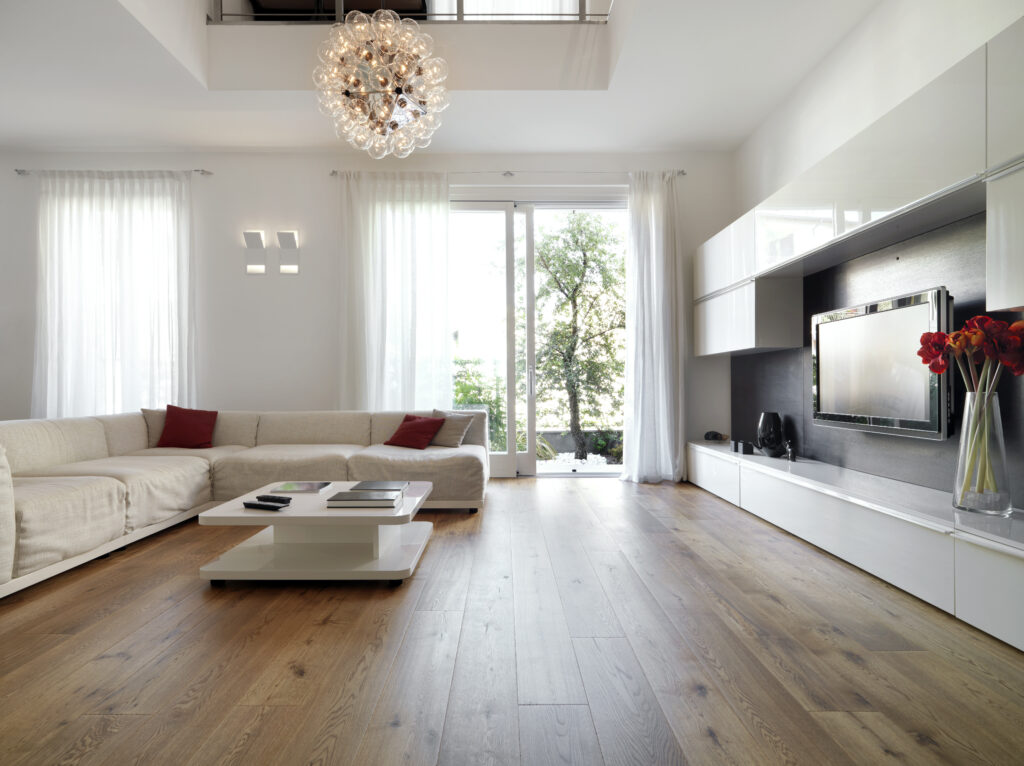
Low-maintenance options such as luxury vinyl plank or textured tile offer durability while remaining easy to clean. Removing unnecessary transitions between rooms creates a smooth walking surface that reduces the risk of trips and falls.
Bedroom and Living Area Adjustments
If your primary bedroom is currently upstairs, relocating it to the main level can eliminate the need for daily stair use. Converting an office or unused space into a first-floor bedroom is a popular aging-in-place solution.
Incorporating smart home technology also adds convenience and safety. Voice-controlled lighting, smart thermostats, and video doorbells allow you to manage your home more easily. These upgrades make daily living more comfortable and secure.
Stair and Mobility Solutions
If stairs remain part of your home’s layout, safety enhancements are essential. Installing sturdy handrails on both sides provides additional support. Improved stair lighting, including motion-sensor fixtures, enhances visibility and reduces fall risks.
For homeowners planning long-term accessibility, stair lifts can offer a practical solution. Planning ahead allows these installations to blend seamlessly into your home’s design.
The Financial and Lifestyle Benefits
Remodeling your home to accommodate older age is not just a safety upgrade, it’s also a smart investment. Aging-in-place renovations can increase property value while potentially saving thousands compared to assisted living costs.
More importantly, these changes preserve independence. Staying in a familiar environment surrounded by memories and community offers emotional and mental benefits that can’t be measured financially.
Partner With Professionals Who Understand Aging-in-Place Design
Successful aging-in-place remodeling requires careful planning and experienced craftsmanship. From bathroom renovations to whole-home reconfigurations, working with professionals ensures upgrades are both safe and visually appealing.
The team at Lloyd’s Remodeling understands how to future-proof homes with thoughtful design solutions. We work closely with homeowners to assess current needs and anticipate future ones, creating spaces that grow with you.
Prepare Your Home for the Future Today
You don’t have to wait for mobility challenges to start thinking about home modifications. If you’re considering aging-in-place renovations, contact Lloyd’s Remodeling to schedule a consultation. Our experienced team can help you transform your home into a space that combines style, accessibility, and long-term peace of mind.



CONTACT US: 801.797.0345