
Updating your countertops can completely transform your kitchen or bathroom, but what if you’re keeping your existing cabinets and floors? That’s a challenge many homeowners face during a remodel. Finding the perfect countertop isn’t just about choosing a material you love; it’s about selecting one that complements your current design and ties everything together. The right color, finish, and texture can create a cohesive look that feels brand new without a full renovation. In this blog, we’ll explore how to match your new countertops with your existing cabinets and floors through smart color coordination, texture balance, and overall design harmony.
Assess Your Existing Features
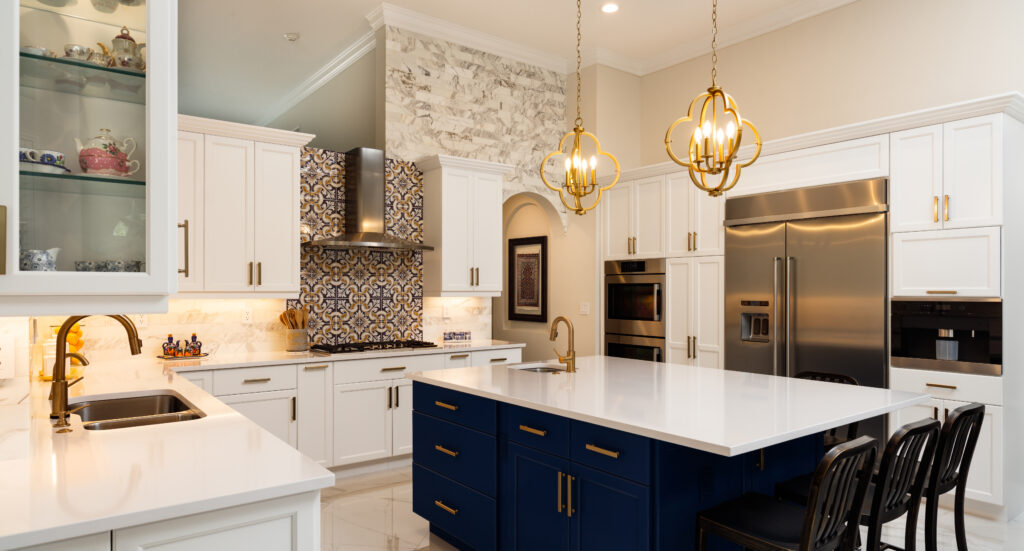
Before choosing new countertops, it’s important to carefully assess your existing features, as cabinets and floors form the backbone of your room’s style and will guide your countertop selection. Start with your cabinets: note the color, tone, and finish. Are they crisp, modern white cabinets that brighten the space, or rich espresso or walnut tones that add warmth and sophistication? Rustic or distressed wood cabinets bring character and charm. Understanding your cabinet style helps you decide whether to complement or contrast it with your countertops.
Next, examine your flooring. Hardwood, tile, laminate, or vinyl may carry warm, cool, or neutral tones, influencing how countertop colors appear. Finally, consider the overall mood you want: modern, cozy, or bold. Evaluating cabinets, floors, and style ensures your countertops create a cohesive, harmonious space that elevates your remodel.
Finding the Right Countertop Color
Choosing the right countertop color is a key step in any remodel, as it can either unify your space or create visual tension. One approach is to complement your cabinets by selecting a countertop with similar undertones. For example, warm honey-toned cabinets pair beautifully with creamy beiges or soft browns. Alternatively, contrasting colors can make a bold statement, like dark espresso cabinets with light quartz or marble countertops.
Understanding warm versus cool tones is crucial for balance. Warm-toned countertops suit other warm elements, while cool tones like gray or white complement cooler cabinetry. For flexibility, neutral countertops such as gray, beige, or white adapt to nearly any design, making future updates easier. Thoughtful color choices ensure a cohesive, stylish, and long-lasting remodel.
Balancing Texture and Finish
When choosing new countertops, texture and finish are just as important as color in creating a balanced, visually appealing space. Different finishes (matte, polished, or leathered) interact with light in unique ways, influencing the overall look and feel of the room. Polished surfaces reflect light and make spaces feel brighter and more open, while matte finishes offer a softer, understated elegance. Leathered or textured finishes add depth and tactile interest, giving countertops a rich, sophisticated appearance.
Mixing textures thoughtfully can elevate a design. For instance, pairing smooth, glossy countertops with rustic or distressed cabinets creates contrast and depth without overwhelming the eye. The key is balance. If one surface is bold or heavily textured, keep surrounding elements more subtle to maintain harmony. By carefully considering texture and finish, you can create a space that feels layered, dynamic, and cohesive.
Coordinating with Floor Materials
When selecting countertops, it’s important to consider how they coordinate with your flooring, as this connection can unify your entire space. Countertops often serve as a bridge between cabinets and floors to create a cohesive flow throughout the room. For example, granite countertops with warm, earthy tones pair beautifully with natural wood floors, enhancing a rustic or traditional feel. Meanwhile, sleek quartz surfaces work perfectly with modern tile or polished concrete, supporting a clean, contemporary aesthetic.
It’s also crucial to pay attention to floor patterns and undertones. Busy or highly patterned flooring can compete with bold countertop designs, so choosing complementary colors and textures helps prevent visual clashing. By thoughtfully coordinating countertops with floor materials, you ensure a harmonious, balanced space that feels intentional, stylish, and inviting from floor to ceiling.
Testing Samples and Lighting Considerations
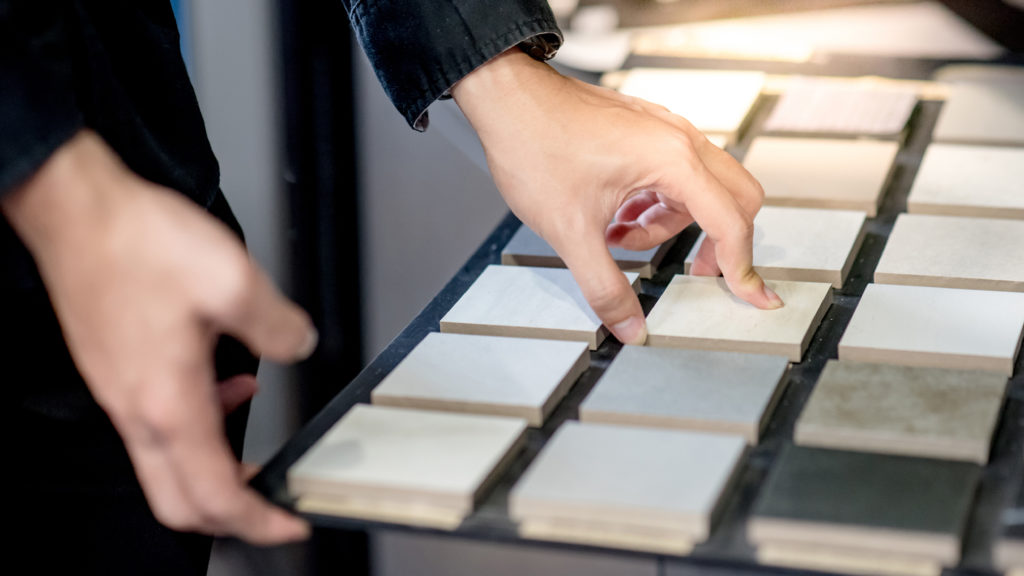
When shopping for new countertops, testing samples in your own space is essential. Bring swatches of your cabinets and flooring to compare against potential countertop options and ensure colors and undertones complement each other. Keep in mind that lighting can dramatically affect how a surface looks. Natural sunlight may make colors appear warmer or brighter, while artificial lighting can cast subtle hues or shadows. To avoid surprises, place countertop samples in the rooms where they will be installed and observe them at different times of day. This hands-on testing helps you choose a countertop that truly harmonizes with your home’s existing features and lighting conditions.
Contact Lloyd’s Remodeling & Cabinetry for Personalized Countertops
Choosing the right countertop can transform the look and feel of your kitchen or bathroom without the need for a full remodel. At Lloyd’s Remodeling & Cabinetry, our team specializes in helping homeowners navigate these decisions with expert guidance, personalized recommendations, and custom countertop installation tailored to your home. Contact Lloyd’s Remodeling & Cabinetry today to schedule a consultation and discover how the perfect countertops can refresh your space and bring your remodel vision to life.



CONTACT US: 801.797.0345